Old Chinatown, back where it stood.
Memory Space returns the history of Los Angeles's first Chinatown to the ground where it stood, and its characters answer from the community's own records.
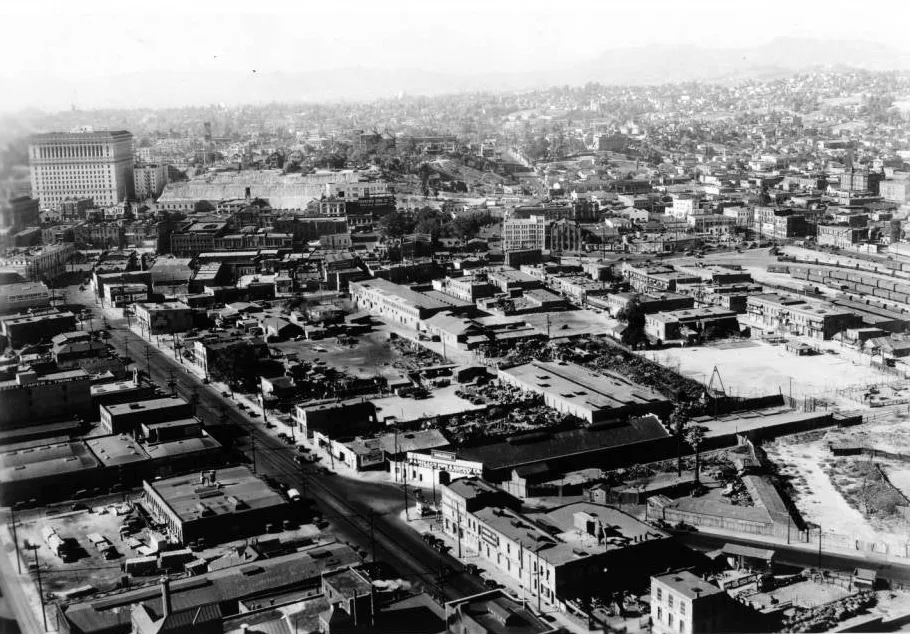
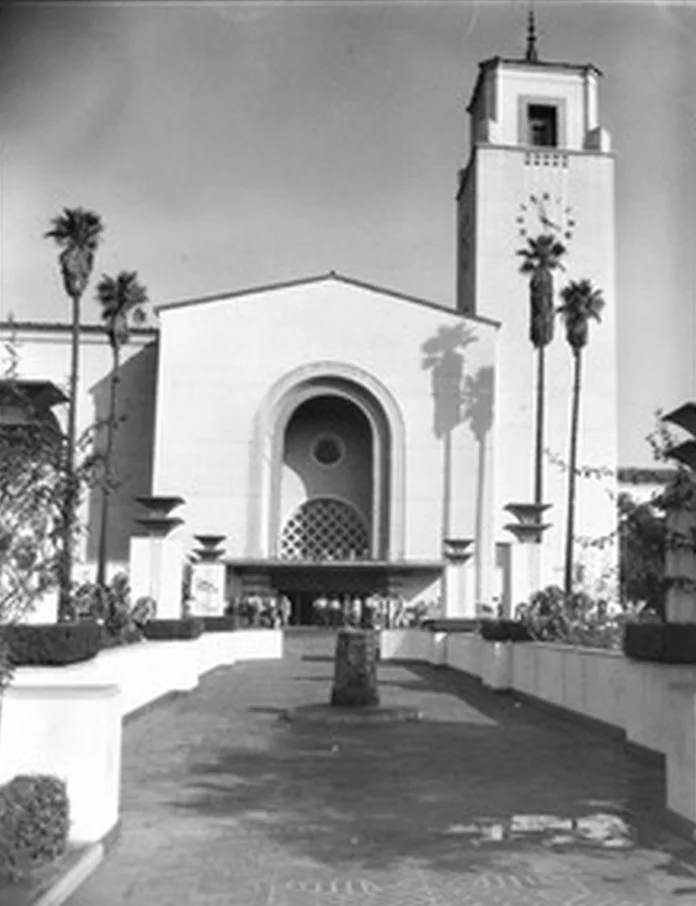
Memory Space: Chinatown AR is a mobile augmented reality project from the USC Mobile and Environmental Media Lab, led by Scott Fisher and William Deverell. Standing at Union Station, a visitor holds up a phone and sees historic photographs of the first Los Angeles Chinatown placed over the exact spots where they were taken, retracing the original photographers' steps. Portals open onto three-dimensional street scenes of the former community, where visitors meet interactive characters. The project uses point-cloud reconstructions and a visual positioning system (VPS) to anchor the scenes and characters to the street.
The project is made with the Huntington-USC Institute on California and the West, the Chinese Historical Society of Southern California, Metro Art and Union Station, with support from a National Endowment for the Humanities prototyping grant.
The knowledge layer behind the characters.
The AR experience, the street scenes, the point-cloud and VPS work and the on-site design are the lab's work with its partners.
My contribution is the knowledge layer behind the characters, built with the team. I turn the project's oral histories and archive into knowledge: sorting the material, grading each source by the kind of evidence it is, and labelling every item with metadata, so that a retrieval-based language model can answer from it accurately. I also designed how the knowledge bases are governed in a project where many characters speak for one community: what goes into each character's own knowledge base, what goes into the shared memory they all draw on, and what may enter at all. Alongside this I build AI tools that connect the project's assets across the platforms the team uses.
These are not only technical decisions. The characters speak for a community whose neighbourhood was demolished to make room for Union Station, and much of what survives of it was written down by others: newspapers, city records, the collections of institutions. The oral histories are the community's own account, and they come later and from memory. Grading each source by its kind is a way of saying which account a character may speak from and which it may only report, and keeping a clip out until its speaker has given permission is a way of saying whose consent is needed before a record can be used.
The question I work on here is how a community's scattered records can be held so that its characters answer from them accurately, at the places the records describe.
From oral histories to knowledge.
Memory Space uses the same ingestion pipeline as the Immersive Archive, organized around a different key. In the Immersive Archive a folder is a box of Heilig's papers. Here a folder is a place.
The material
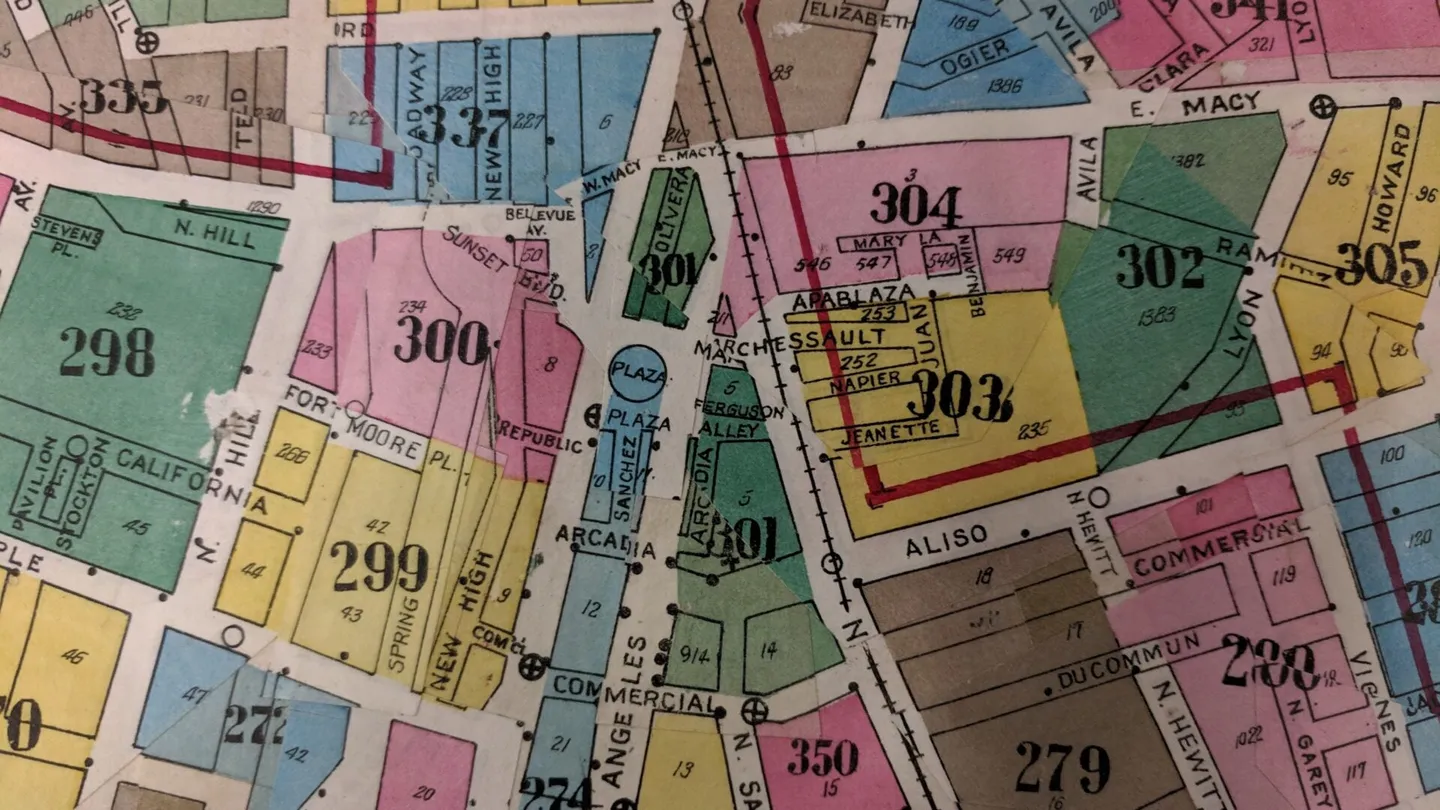
The project's research drive holds more than three thousand files, sorted the way the research was done: newspapers, photographs, maps and city records, each in its own folder, with the oral histories beside them. The AR experience is organized by place, so the material about one address was spread across all of them. The plan I put forward regroups it by place, from area to street to address, with a separate folder for each character's own letters and speeches.
- Files in the research drive
- 3,000+
- Sorted by
- Source
- Regrouped by
- Place
Shared memory knowledge base
- Old Chinatown
- Apablasa Street
- An address on the street
- Marchessault Street
- Apablasa Street
- New Chinatown
- Reference
- Working files, never ingested
A character's knowledge base
- Letters and speeches
A search for Apablasa Street also finds the files kept under the addresses on it.
Oral histories
The oral histories are the community's own account, and the hardest material to hold well. Recordings are transcribed from speech. Each is dated by the time it describes, so an interview made decades later about the 1920s is dated to the 1920s. Clips that still need permission stay out of the knowledge base until it is given. Recollections are also graded apart from records made at the time, so that a character can tell the two apart.
Grading the sources
Every item is given a tier that says what kind of evidence it is, and the tier decides how a character may use it. When a character speaks in the first person, it draws on primary sources only.
Primary
Made at the time: letters, records, photographs.
Oral history
Remembered and recorded later.
Research note
The team's own notes on the material.
Secondary
Written later about the community, such as scholarship.
Metadata on every item
Each item carries the same fields, kept in an inventory sheet and written onto its entry in the knowledge base. Some fields are layered, so a search can stop at any level: a place runs from area to street to address, and a source from institution to collection to box and folder.
Character knowledge bases and a shared memory.
Memory Space is a community project: many characters speak for one neighbourhood. Each character has a knowledge base of its own, for the letters, speeches and biographies of that person. All of them draw on a shared memory knowledge base that holds what belongs to the neighbourhood as a whole, from street records to oral histories. A file mainly about a place goes into the shared memory, even when it names a character.
Limits on a character's search
As designed, a character's search is limited in several ways at once, each one set by the metadata.
Knowledge bases
Its own, and the shared memory.
Date
Only material dated before the year of its scene.
Place
Narrowed to where the visitor is standing.
First person
From primary sources only.
Rules before anything enters
Most of the governance comes before any model is involved. Going through the drives showed what has to be settled first.
Status
Every item is marked include, exclude, duplicate or review. Only included items with cleared rights enter.
Provenance
Where a file came from often survives only in a folder name, so it is recorded before anything moves.
Rights
Oral history clips that still need permission stay out until it is given.
Kind of record
Many files kept as photographs are phone captures of archival records. They are transcribed like any other document.
Not ready
Folders marked not to be ingested stay in the drive and are never scanned.
Holding a community's records.
In the Immersive Archive the agent speaks as one inventor with a paper trail. Here the characters stand for a community, and the records are partial and held by several institutions: the Huntington Library, city archives, newspapers and the project's own oral histories. Everything a character says has to be traceable to something in the collection. The gaps in the collection have to be handled carefully, since they are part of this neighbourhood's history.
Checking the characters
The evaluation built for Mort in the Immersive Archive, archive fidelity and character fidelity, is planned to run on a Memory Space location as well, to see how answering for a documented place differs from answering as a documented person.
Characters in the street scenes, from spring 2027.
The next step, planned for spring 2027, is to bring the characters into the engine build, inside the street scenes, with the archive reachable from within the scene. Two kinds of retrieval are planned: one that follows a person or a subject down through the material that documents them, and one by location, so that what a character can reach depends on where the visitor is standing.
The larger goal is the whole experience at Union Station: visitors meeting characters who answer from the community's own records, at the places those records describe. Outputs will be listed here as the project releases them.