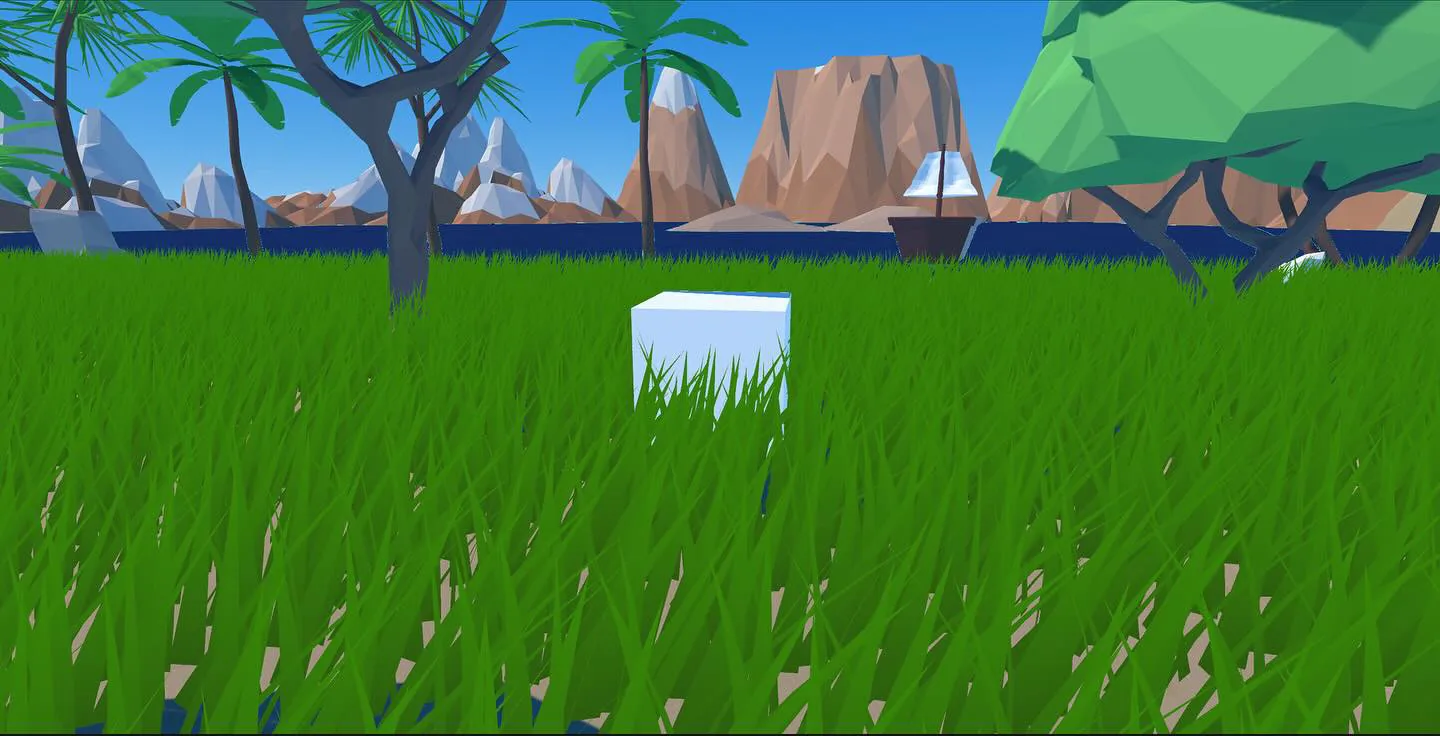
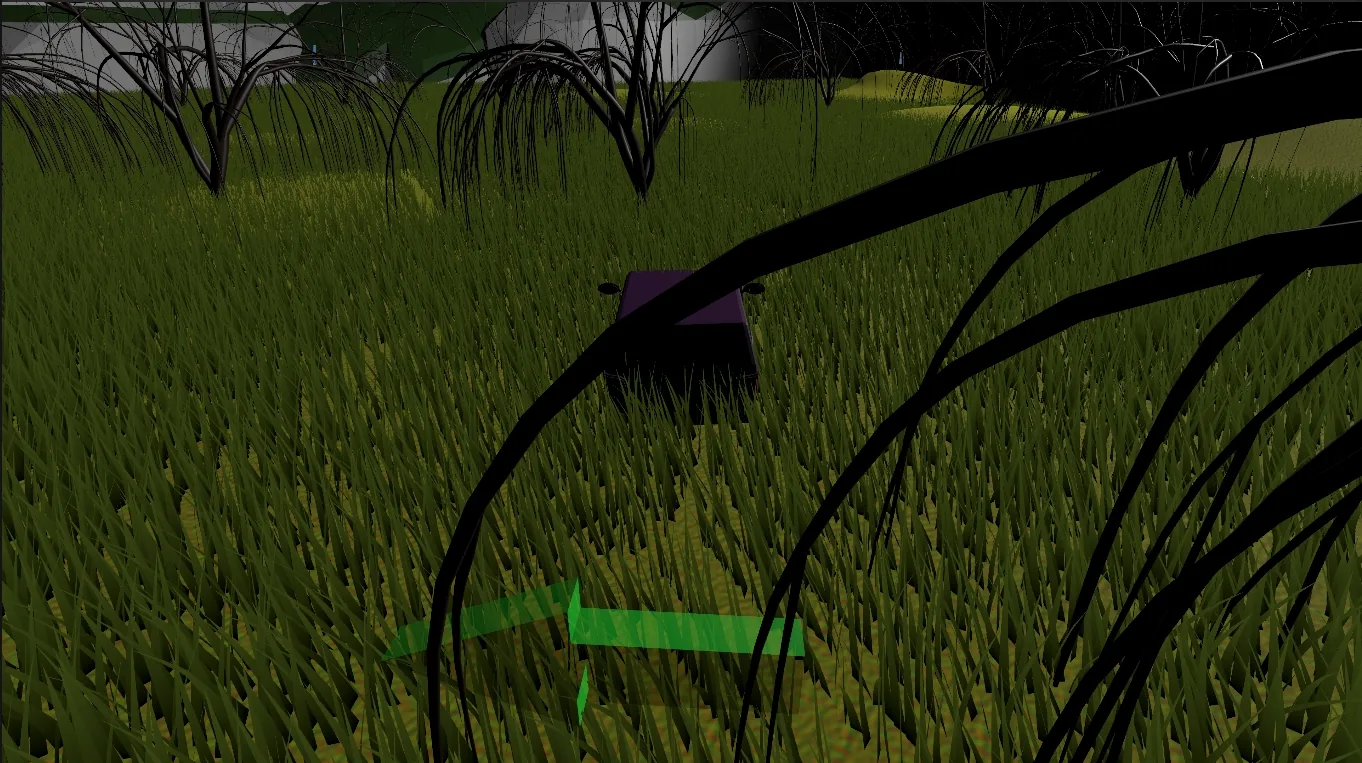
Four emotions as four control schemes.
Shown in Algorithmic Unconscious, a group exhibition at Arebyte Gallery, London, 1 to 3 March 2024, part of Arebyte's 2023/24 programme The Body, The Mind, The Soul. I approached the programme's theme through emotion, which links all three.
Each of the four emotions is built as a way of moving: a control scheme the visitor operates.
A simplified version for this page. In the installation these are a boat, a car, an aircraft and a body, in four landscapes.
Joy
Open ocean, gentle waves, few obstacles, and movement that goes where you point it.
Fear
A vehicle whose steering overreacts to small inputs, to give a sense of hyper-awareness and fragility.
Anger
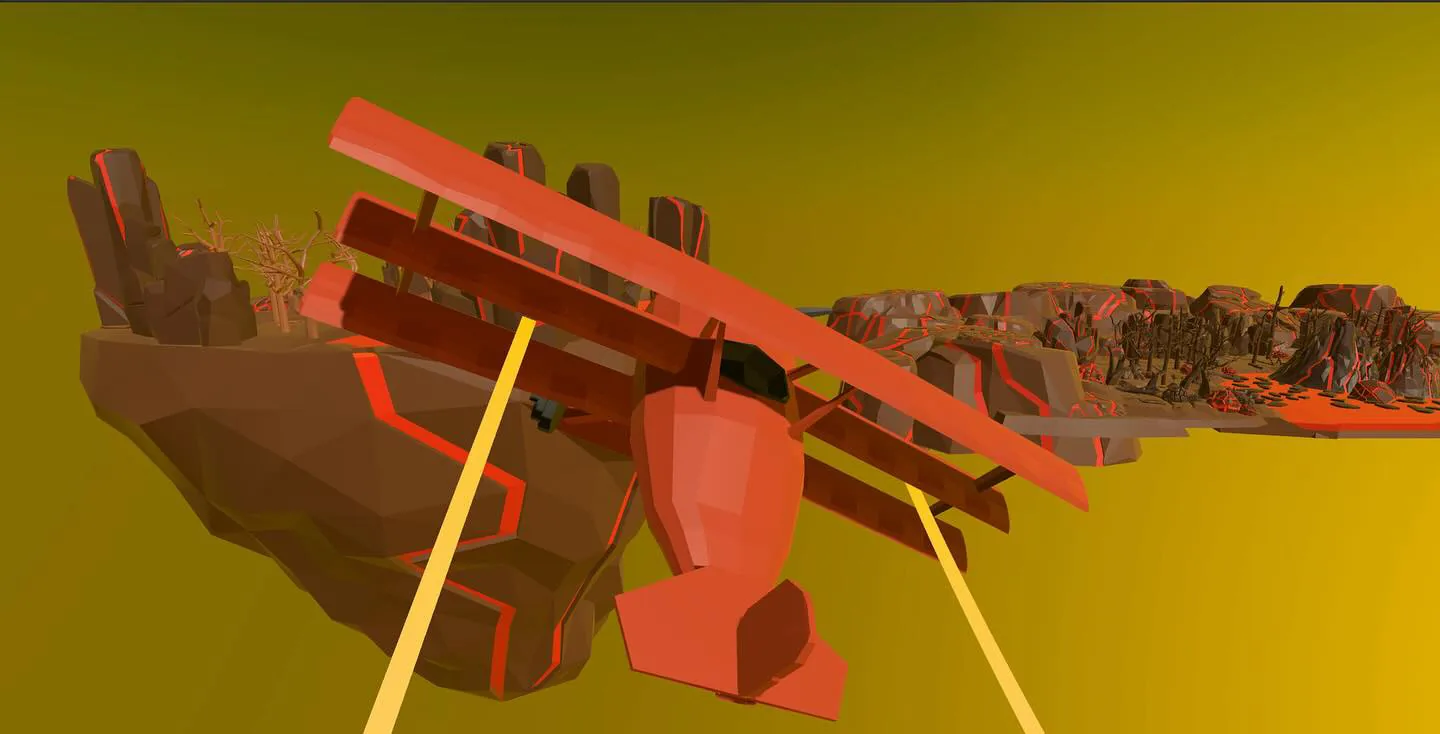
An aircraft with too much inertia and a delayed response. The player has to fight it to keep control.
Sadness
A slowed body on an ice field, with a restricted jump and delayed input, so simple actions take more effort.
In each landscape the player looks for a hidden floating figure called the soul.
Emotion links body, mind and soul.
Arebyte's programme that year was themed The Body, The Mind, The Soul. I approached the theme through emotion, because it involves all three:
Body
Emotions have physical signs, such as a racing heart for fear and fatigue for sadness.
Mind
They shape perception and thought: joy sharpens focus, anger clouds judgment.
Soul
They prompt introspection and connect to a person's sense of purpose and identity.
The emotions
- Joy: balance and positivity, felt as physical wellbeing and mental clarity.
- Fear: survival instinct: heightened sensitivity and alertness to danger.
- Anger: frustration and the struggle for control, and what that does to decision-making.
- Sadness: introspection and reflection on loss, with the body's response slowed.
Technical appendix: how the control schemes were built
Design approach.
Each level reflects one emotion by changing how the player interacts with the world. The player is looking for the soul, a floating avatar hidden in the scene. Emotional state shows up in the body (mechanics), the mind (focus and challenge) and the soul (resonance).
Joy
A bright oceanic environment: gentle waves, open areas, minimal obstacles, low-poly nature, calm lakes. Light soothing music, birds, water. The gamepad is set up for fluid movement and easy jumping, so exploring takes little effort.
Fear: an oversensitive car
Dim lighting, dead trees, fog, a low-visibility skybox, tight paths. Distant distorted sound with sudden cues.
I considered several mechanics (obscured vision, time pressure, limited mobility) and chose an oversensitive vehicle controller: slight joystick movement produces an exaggerated, unpredictable response, which matches the hyper-awareness and fragility of being afraid.
- Wheel suspension: raycasts detect ground under each wheel; a spring-damping system adjusts vertical force by compression. Spring strength keeps contact on uneven terrain, damping limits oscillation.
- Steering sensitivity: calculated from input and forward velocity, with a sensitivity multiplier that makes small inputs swing the car hard.
- Side slip: when wheels lose grip, side-slip force pushes the vehicle sideways.
- Terrain interaction: physics-based floor-normal detection so the car adapts to slope.
Anger: a hard-to-control aircraft
A floating volcanic island, intense orange skybox, jagged rock, flowing lava. Tense fast music over engine roar, with audio spikes and distortion.
I considered a tighter timer and unpredictable hazards, but chose a difficult aircraft: exaggerated controls, delayed response, high inertia. The player fights the mechanics to avoid losing control. The force model integrates wing drag and lift, tail side and drag force, and engine force against air resistance, adapted for Xbox joystick input across vertical, horizontal and rotational axes.
Sadness: slowed movement
Pale blues and greys, a vast icy landscape of icebergs and frozen terrain. Soft melancholic music, distant piano, wind, cracking ice.
Movement speed and response time are deliberately slowed, with delayed input response and restricted jump height. Other options were explored (reduced visibility, heavier hazards), but slowing the player was closest to how sadness feels in life: simple actions become harder and progress feels delayed.
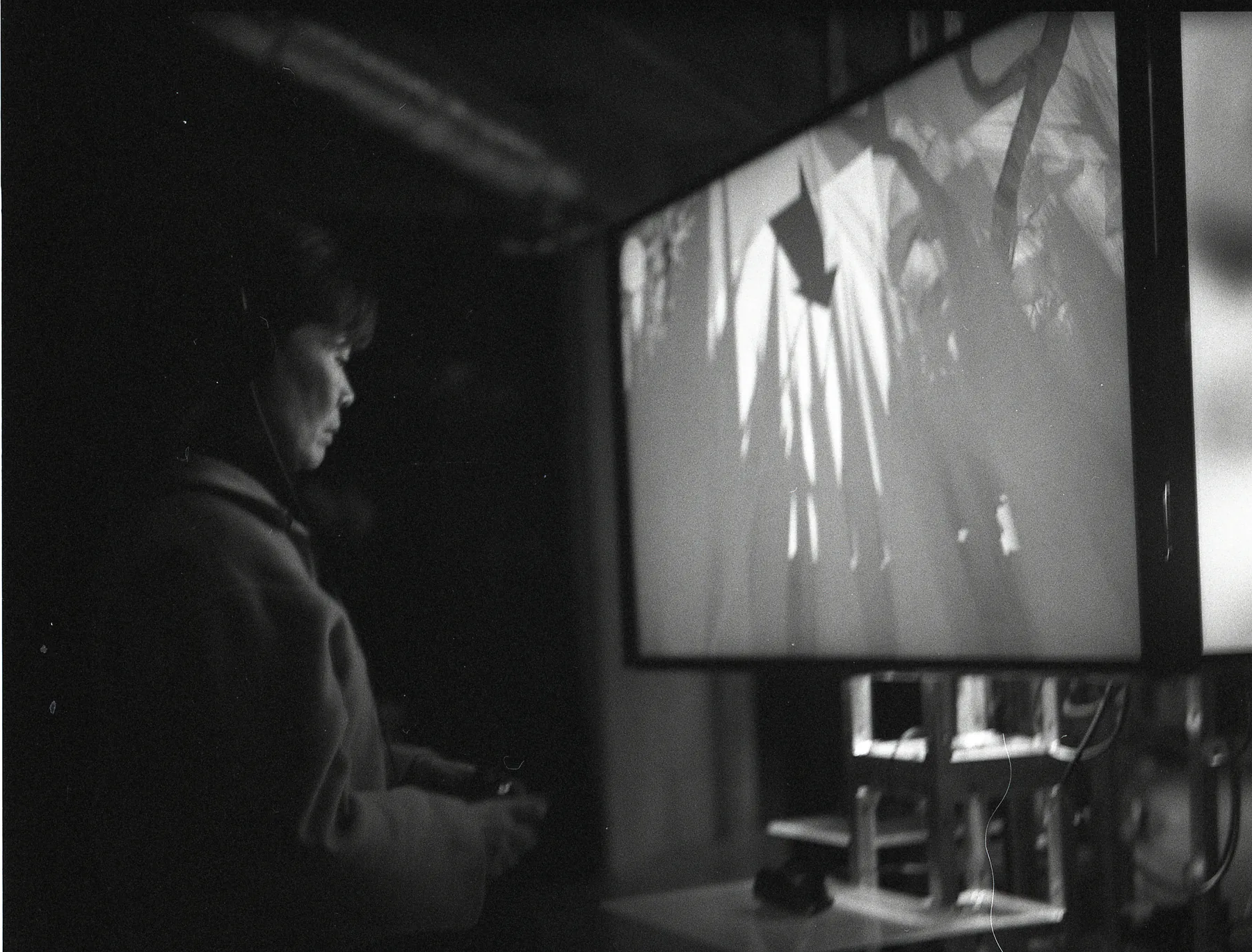
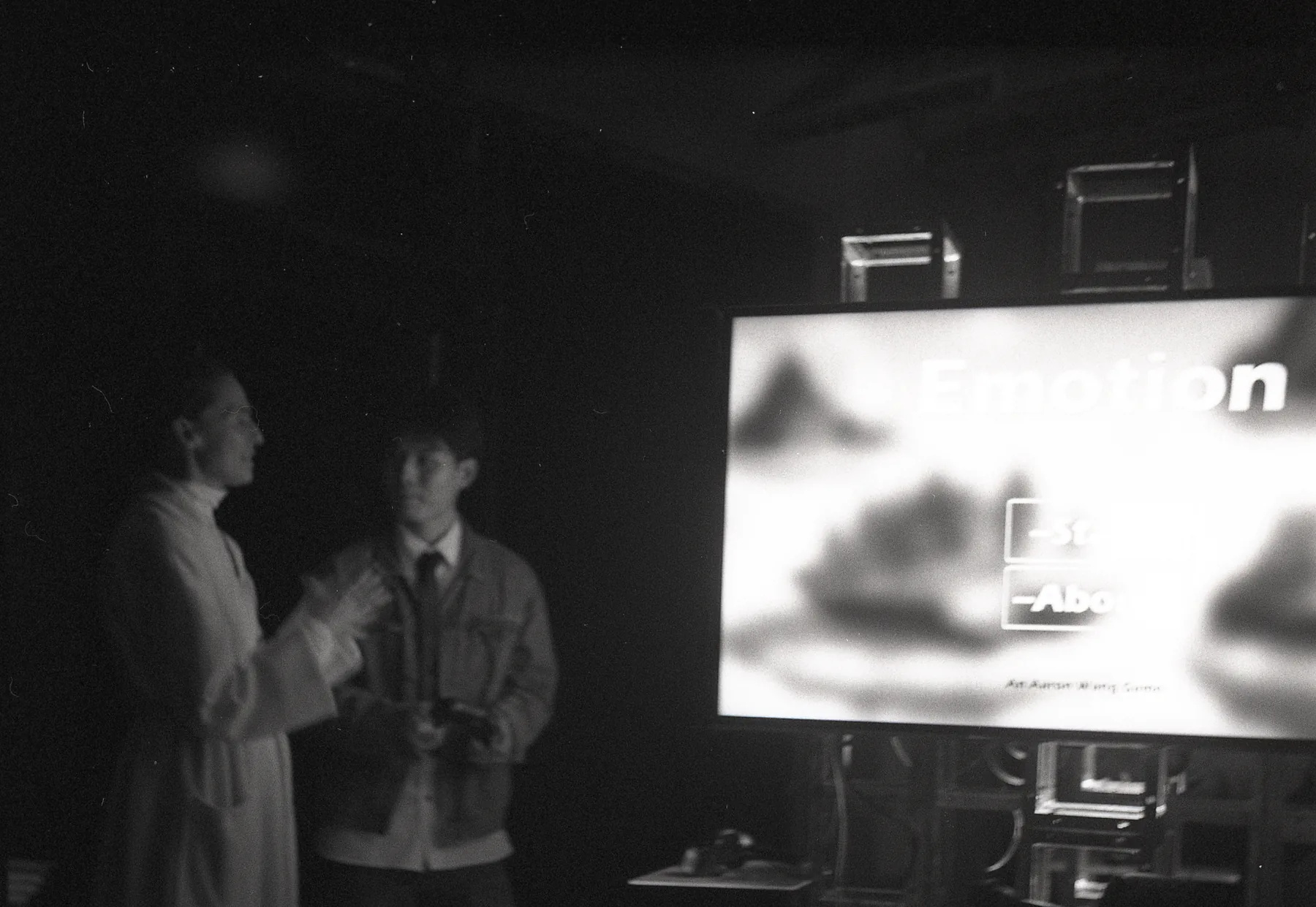
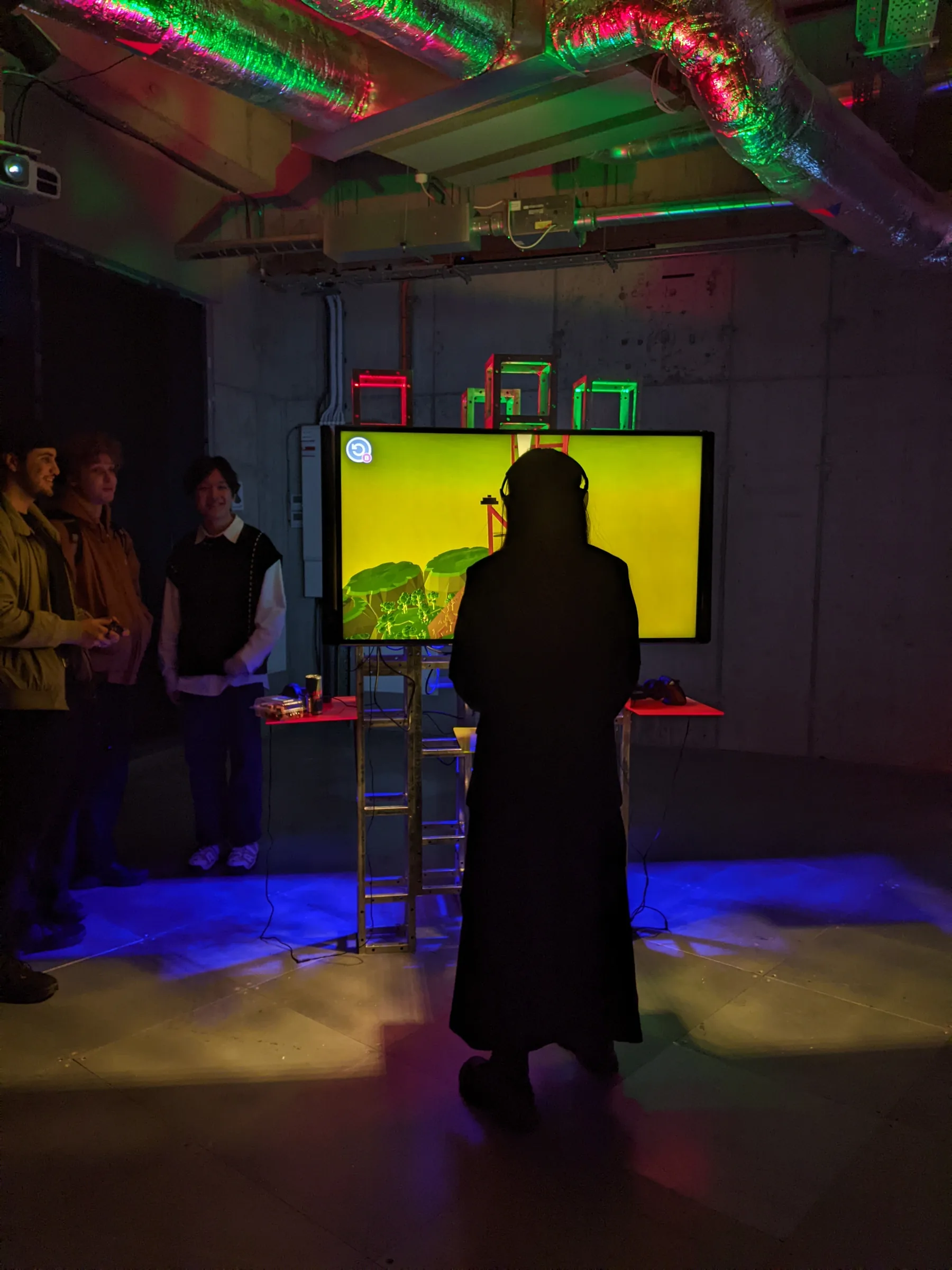
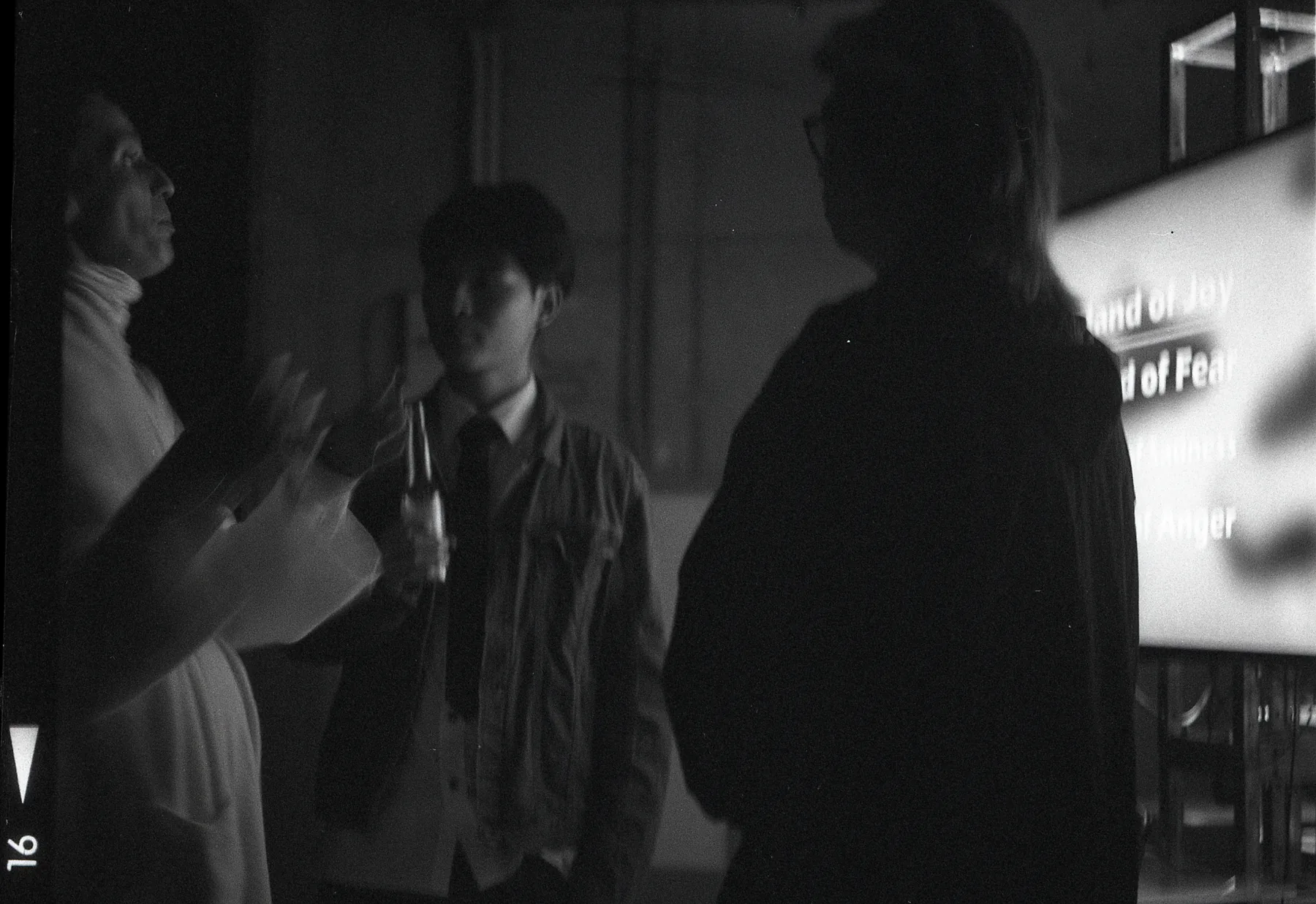
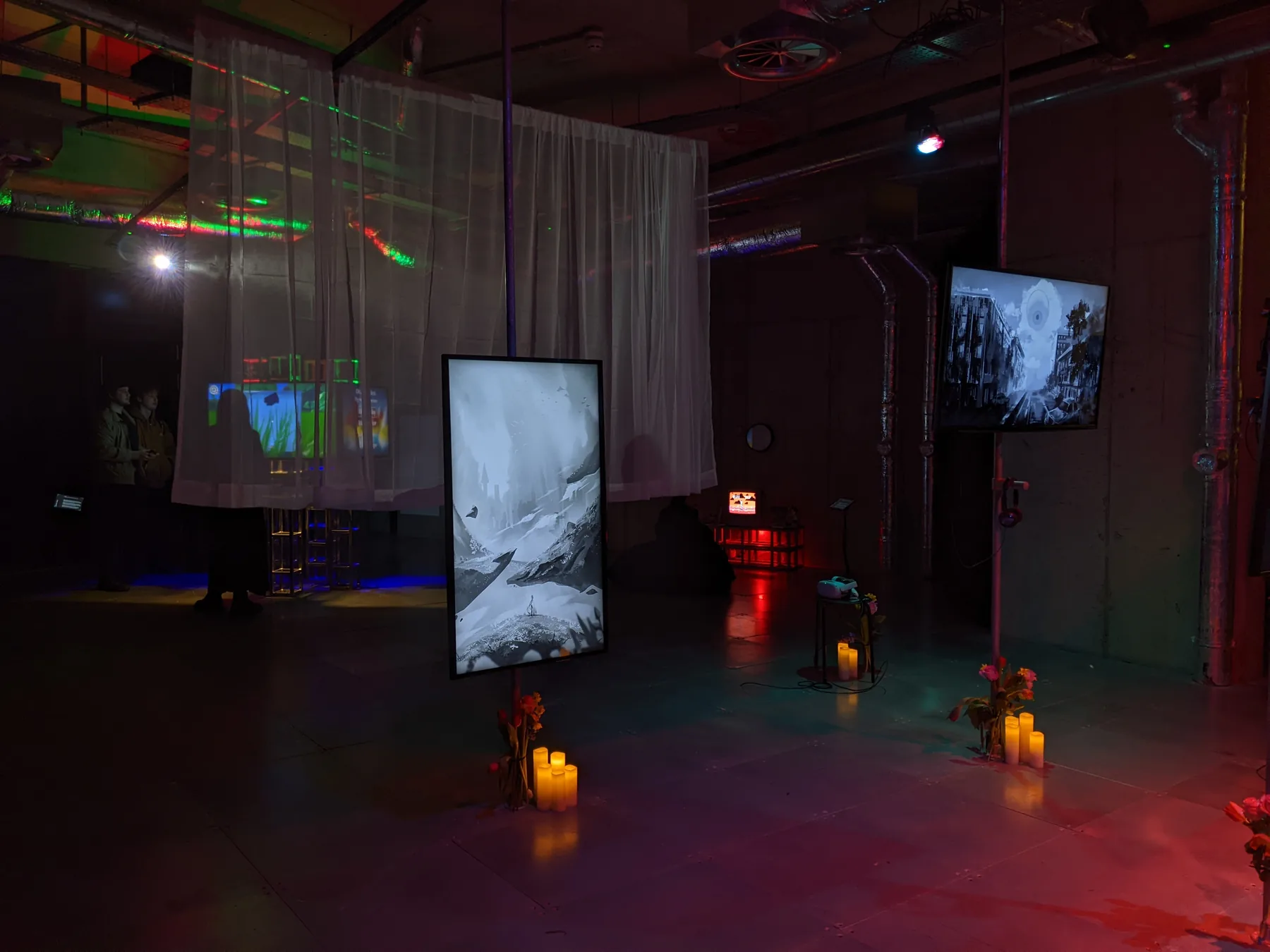
Shown at Arebyte Gallery, London, in March 2024.
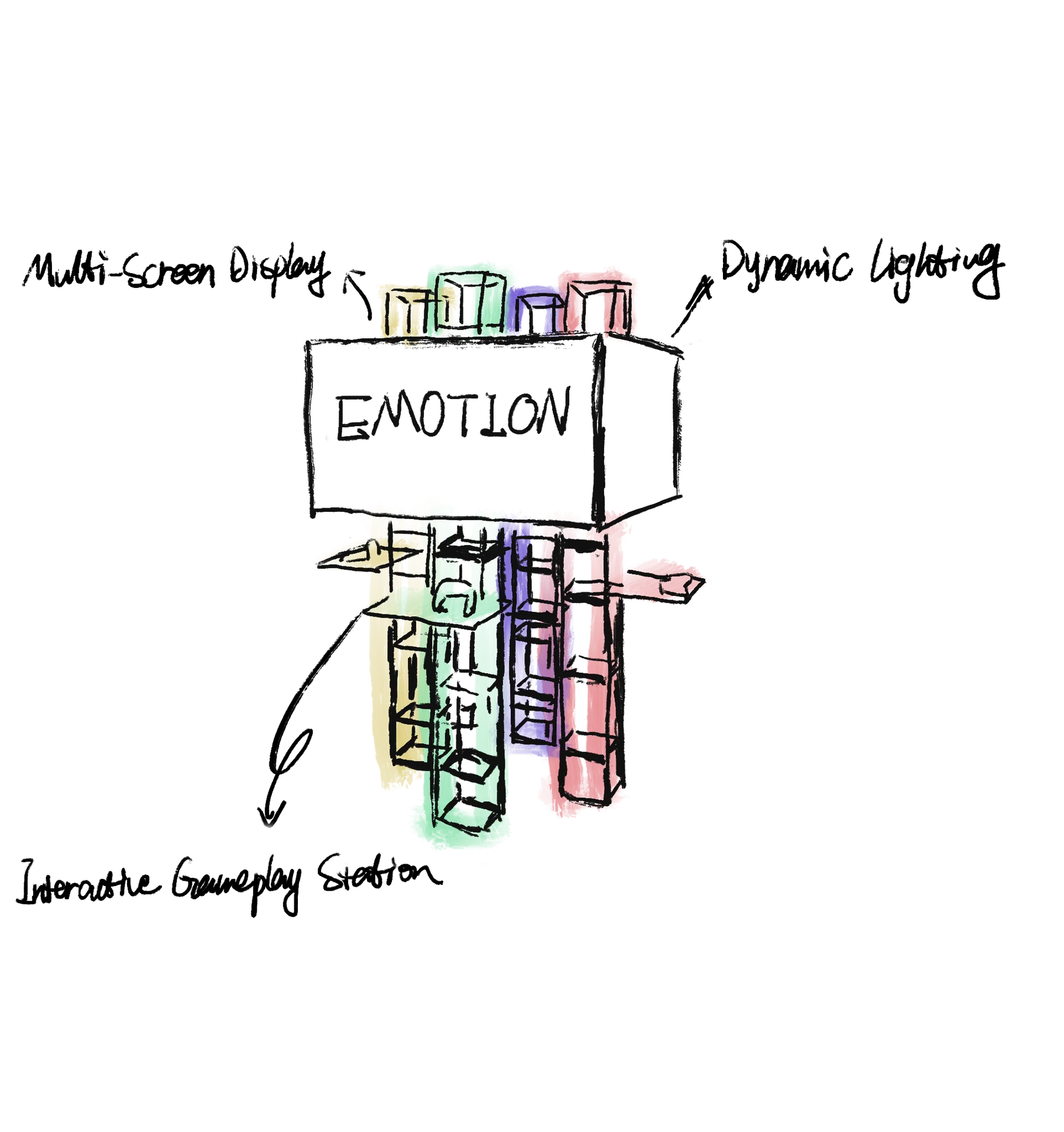
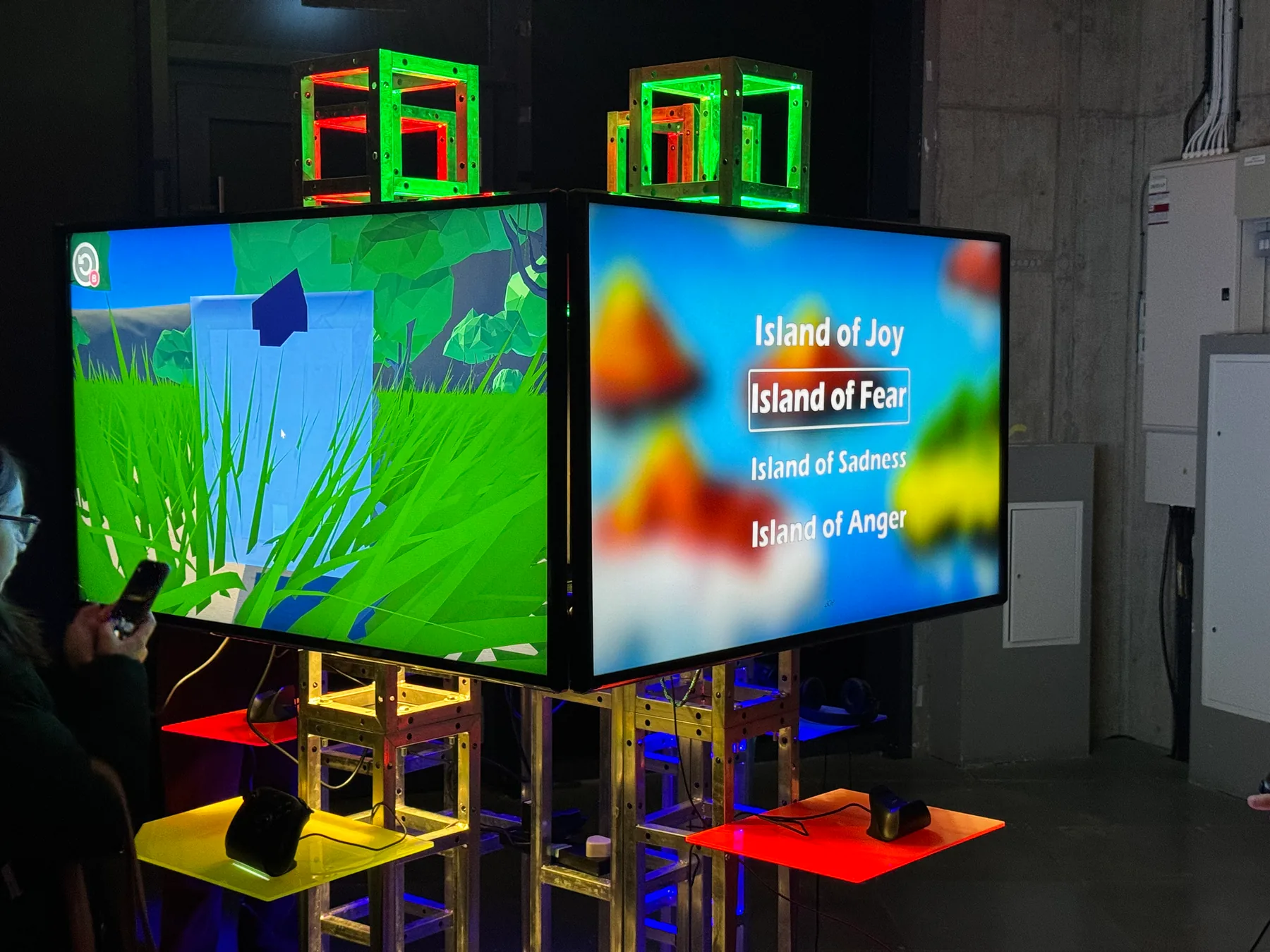
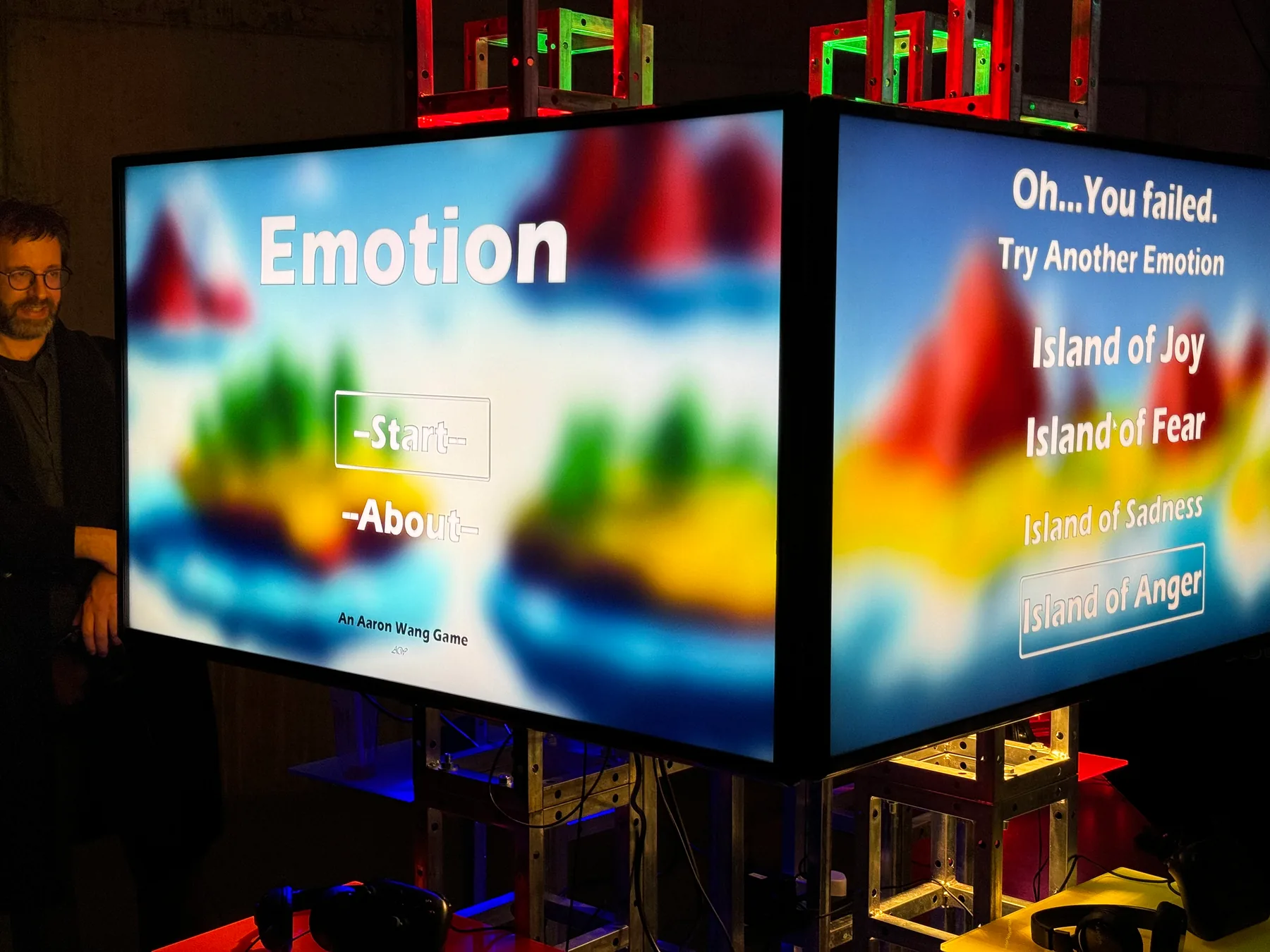
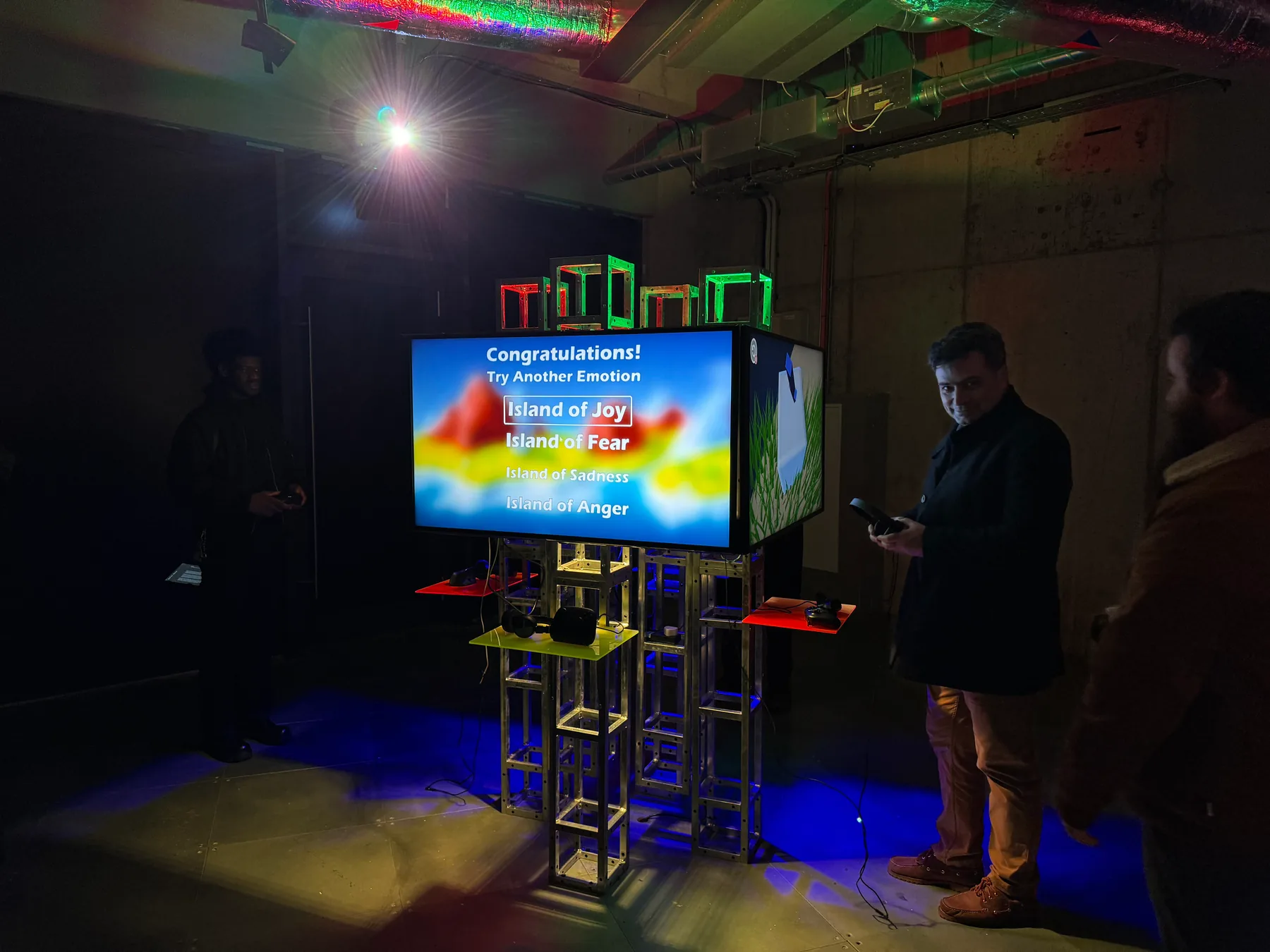
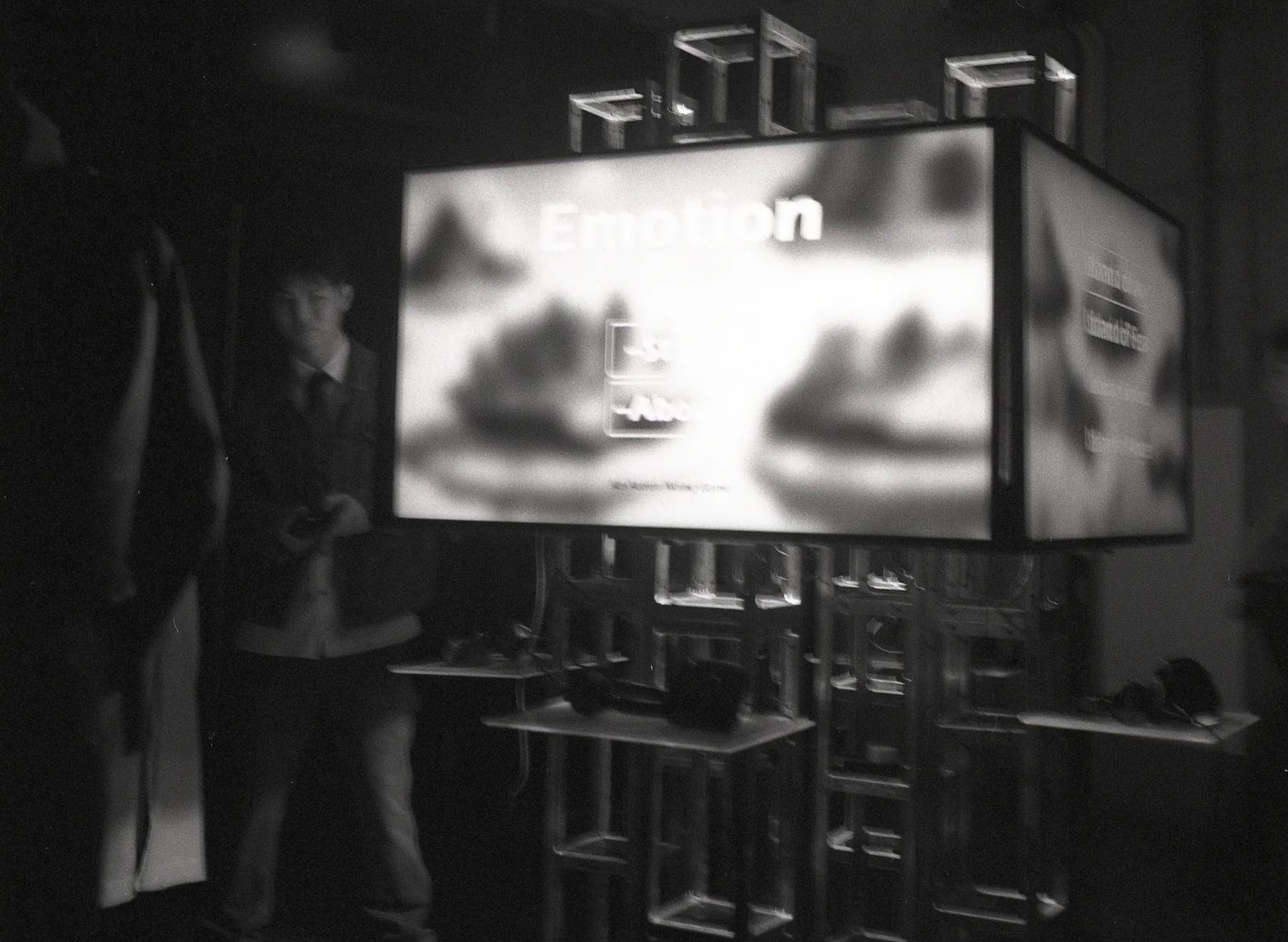
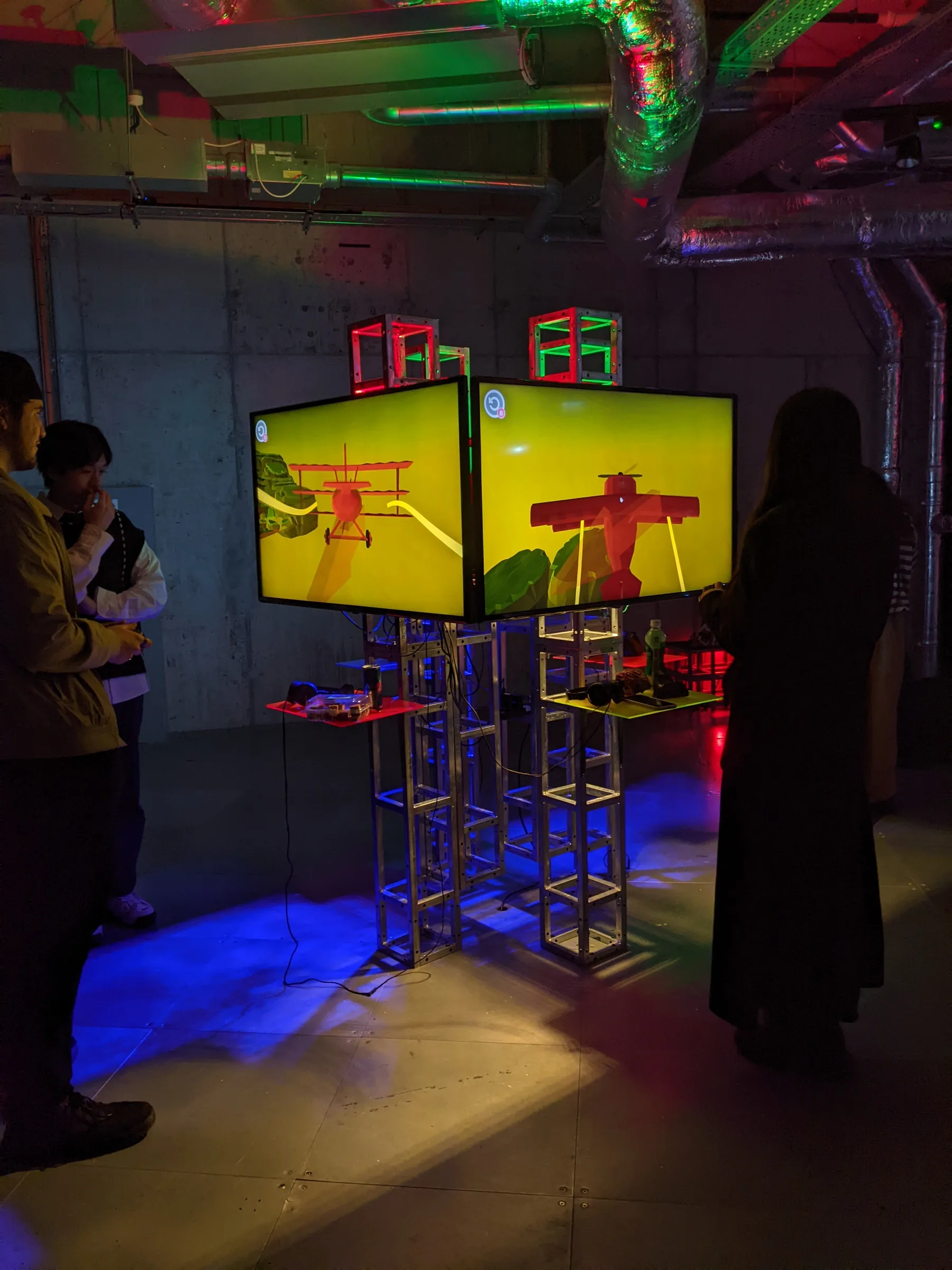
- The game ran on large dual-sided monitors, one side showing the player inside a level, the other showing the island selection screen for Joy, Fear, Sadness and Anger.
- Coloured light structures arranged in cubic form shifted to match the emotional tone of the level: greens and blues for joy, reds and oranges for anger.
- Physical controllers sat on brightly lit platforms, kept minimal so the station did not distract from the work.
Testing and iteration
Testing.
Alpha covered bug fixing and added an interactive advanced grass shader to give the Joy scene more to play with.
Beta showed that many players could not find the soul, so a HUD arrow was added for directional guidance.
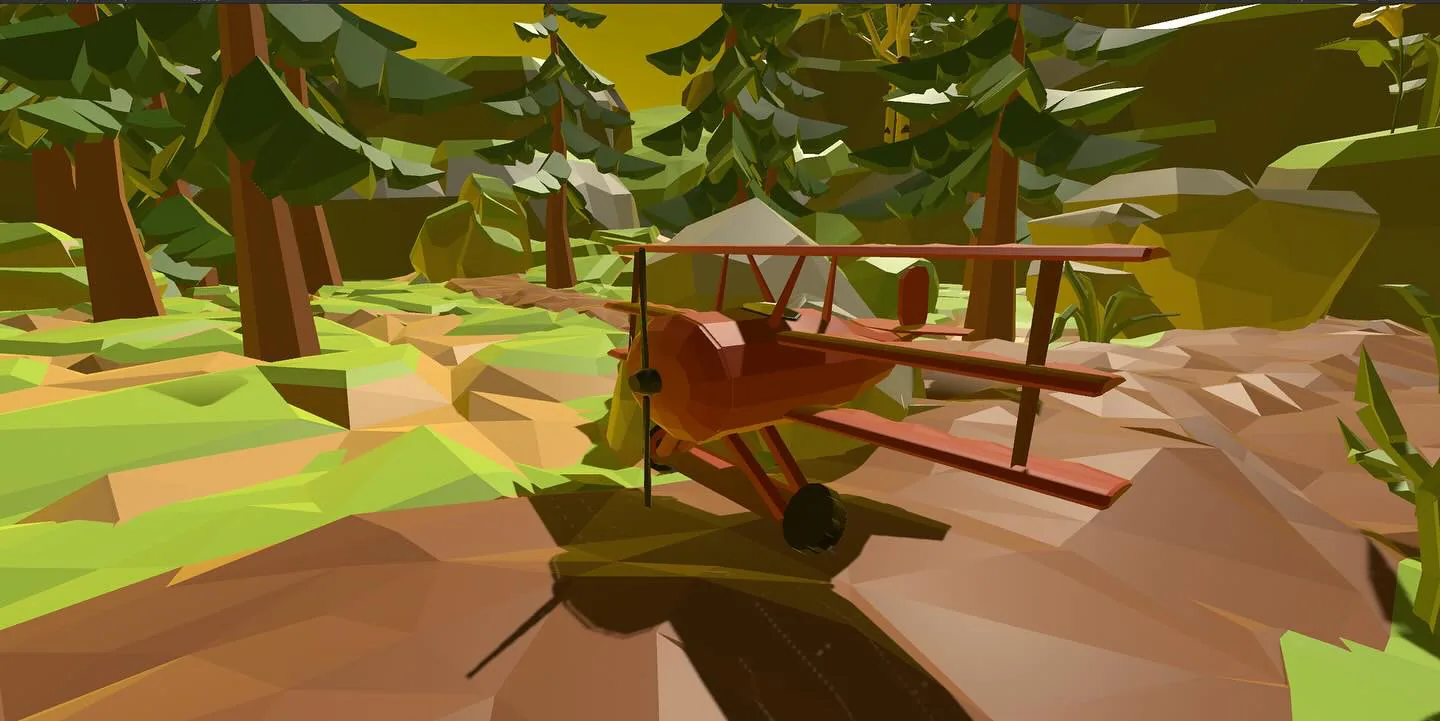
Stills.